Scuba Diving in Jamaica: Best Dive Sites, Seasons and Costs
Scuba diving in Jamaica: the best sites in Negril, Montego Bay, Ocho Rios and Port Antonio, what a dive costs, when to come, and how beginners start.

Scuba Diving in Jamaica: Best Dive Sites, Seasons and Costs · Photographed in adventure.
Scuba diving in Jamaica means reef walls, caverns and wrecks close to shore in warm water all year. The four dive areas are Negril, Montego Bay, Ocho Rios and Port Antonio, each with PADI operators, and most sites are a short boat ride out. It is not a dive-first island, which is exactly why the reefs are uncrowded.
Jamaica is not Cayman or Bonaire. Nobody flies here only to dive. That is both the honest truth and the reason scuba diving in Jamaica is a quietly excellent way to spend two or three days of a week-long trip. The boats are small, the reefs are less crowded, and the north coast drops fast into real wall topography. Here is where to put a tank in the water, what it costs and when to come.
Montego Bay: the marine park and the easy start
Montego Bay Marine Park was declared in 1992 as Jamaica's first marine protected area: 15 square kilometres of reef, seagrass and mangrove along the city's coast, with spearfishing banned inside it. Most dive sites are close to shore and about ten minutes by boat, the water sits between 80 and 86 degrees Fahrenheit all year, and one long-running operator here quotes average visibility of 75 feet or better. It is the right region for first-timers, check-out dives and Discover Scuba sessions.
Sites worth asking for: Stingray City, a shallow site where southern stingrays come in close; the plane wreck at about 18 metres; and Widowmaker's Cave, a chimney that opens on the reef at about 35 feet and exits at 80, named after a James Bond novel rather than any body count. Widowmaker's is the advanced dive here and needs good buoyancy and no claustrophobia. The rest of the park is gentle.
Negril: calm water and the Throne Room
Negril is the softest dive region on the island. The west coast is sheltered, so the water is usually calm, and the twenty-plus sites run from about 30 to 90 feet. It is the best snorkel-to-scuba transition in Jamaica, and the most reliable good-weather region in the winter months.
The standout is the Throne Room, a cavern dive where you drop through a split in the reef at about 40 feet, swim a passage lined with the elephant-ear sponges that give the site its name, and exit to open water at around 70 feet. It is regularly named the best dive in Jamaica. Negril also has wreck options, the Deep Plane, the Shallow Plane and a tug, plus reef sites like Long Wall, Sharks Reef, Kings Fish Point and the Arches.
Ocho Rios: the wall
This is where Jamaica diving gets interesting. The Ocho Rios shelf is a fringing reef with shallow inshore sites for beginners, then a drop-off on the seaward side for advanced divers, with depths from 30 feet down past 130. Named sites include Ochi Wall, Coral Garden Wall, Devil's Reef and Top of the Mountain, and there are more than two dozen in total. Expect rays, turtles, sponges, soft and hard coral and the occasional nurse shark.
The wreck here is the Kathryn, a Second World War Canadian minesweeper sunk on purpose in about 50 feet of water with her highest point around 20 feet down, surrounded by caverns. Dickies Reef is the night dive. This is the region we send certified divers to, and in the shoulder months it is the one that changes people's minds about Jamaica.
Port Antonio: the locals' pick
The east end is the quietest, least-dived region on the island, and it is the favourite of most Jamaican dive instructors we know. The operator here works in conservation with the East Portland Fish Sanctuary, managed by the Alligator Head Foundation. Alligator Reef is really several sites in one, with something for each skill level. The operator, Lady G'Diver, is a PADI 5 Star dive resort that has been running since 1982 and takes two to six divers per trip. You will often have the sites to yourselves.
If you dived Jamaica once and thought it was okay, you probably dived Montego Bay at peak season. Try Ocho Rios in shoulder season and you will write a different review.
Beginners and certification
You do not need a certification to try it. Every region runs Discover Scuba Diving: a few hours of skills with an instructor in a pool or shallow water, then a supervised open-water dive. If you want the card, the PADI Open Water course is offered over two days at the resort shops and longer at independent centres, and some shops run a one-day PADI Scuba Diver step for people short on time. Certified divers should bring their card and log; operators ask.
One rule matters more than any site choice. Do not dive on the day you fly. Divers Alert Network recommends at least 12 hours after a single no-decompression dive and at least 18 hours after multiple dives or multiple days of diving before you get on a plane. Book your dives at the start of the week and leave the last day for the beach.
Seasons, visibility and water temperature
Water temperature runs from about 80 to 86 degrees Fahrenheit year round, so a shorty or a 3mm suit is plenty. The dry season from December to April is peak season and the most settled weather. The rainy months from July to October overlap with the Atlantic hurricane season, which officially runs from 1 June to 30 November and peaks around 10 September; runoff after heavy rain can knock visibility down on the north coast for a day or two. On a good day visibility is 70 feet or more, and up to 100 feet at the walls.
What scuba diving in Jamaica costs
- 01One guided reef dive in Montego Bay: US$69 at one resort-based operator, with two dives at US$138. Another Montego Bay operator advertises a single-tank dive from US$43 with an online discount.
- 02Two-tank boat dive in Port Antonio: US$140 per person, or US$840 for a private charter of up to six certified divers.
- 03Discover Scuba Diving: about US$159 to US$160, depending on the region.
- 04PADI Open Water certification: US$499 over two days in Montego Bay or Negril; US$705 in Port Antonio.
- 05Some resort dive centres only serve their own hotel's guests, or charge outsiders a day pass. Ask before you turn up with your gear.
Choosing an operator
Book with a PADI or SSI centre, not the man with a boat on the beach. Ask about group size; anything over six divers per instructor is too many, and the best shops on the island cap it there. Ask what the boat is and how far the site is. Bring your own mask and computer if you own them; rental gear here is fine but often dated. And ask about the marine park or sanctuary rules for the site, because Montego Bay dives inside a marine park and Port Antonio dives beside a fish sanctuary.
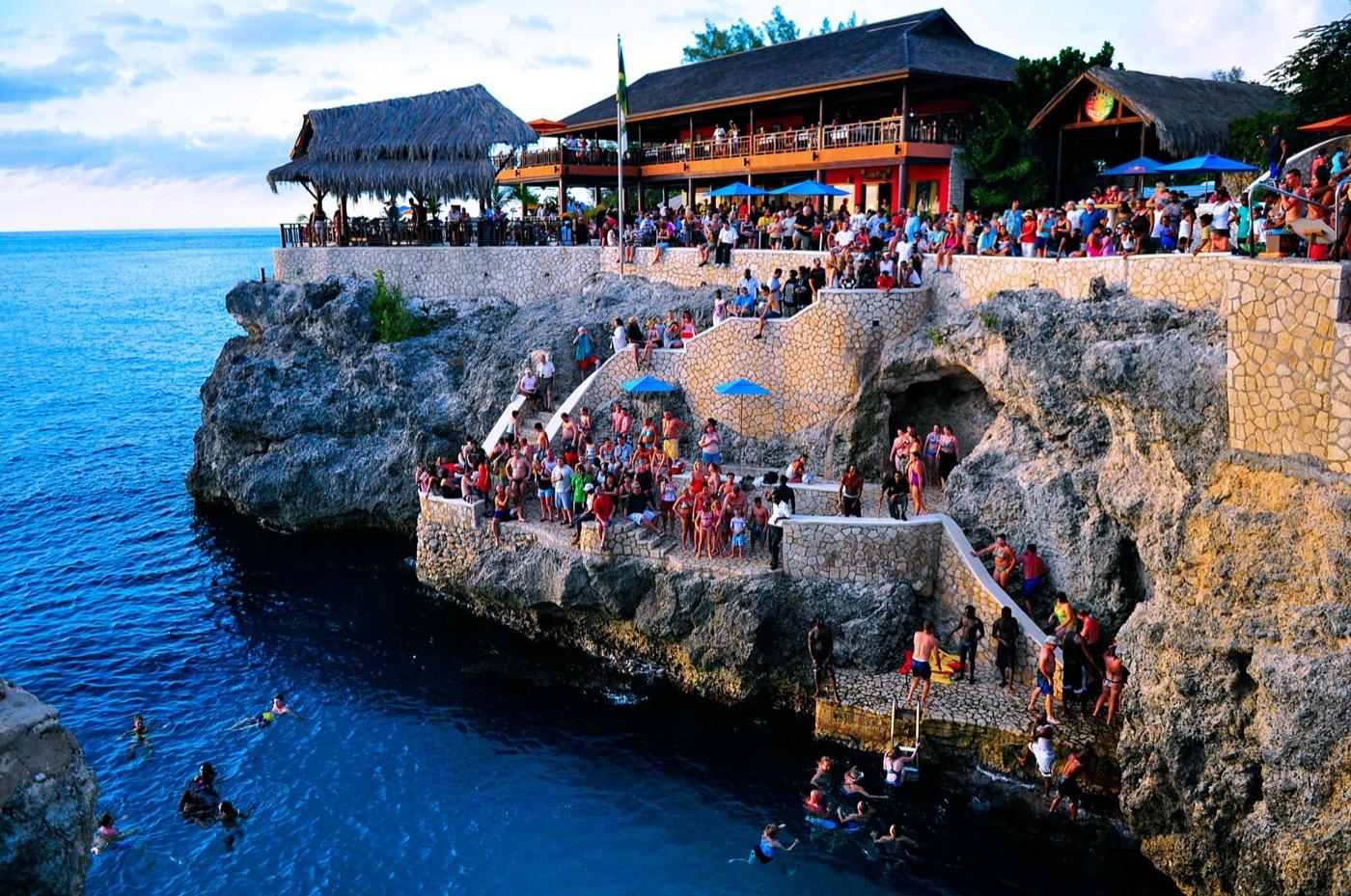
MAPL Tours Jamaica does not run dive boats; we leave that to the shops above. What we do is the rest of the trip. For non-divers in Montego Bay, a clear-kayak photoshoot on a calm river fills the hours while you dive, and in Negril the Rick's Cafe sunset is the right end to a two-tank morning. And when you land at Montego Bay with a bag full of gear, book a private airport transfer: one flat price per vehicle, and your driver picks you up at arrivals. No problem.
Is Jamaica good for scuba diving?
Yes, for uncrowded reef, wall and cavern diving close to shore in warm water. It is not a dive-first island like Cayman, so expect small boats and quiet sites rather than big-animal encounters.
Where is the best scuba diving in Jamaica?
Negril's Throne Room for a cavern, Ocho Rios for the wall and the Kathryn wreck, Port Antonio for fish life inside a sanctuary, and Montego Bay Marine Park for beginners.
When is the best time to dive in Jamaica?
December to April is the dry, settled season. Water stays between 80 and 86 degrees all year. July to October is wetter and inside hurricane season, so visibility can drop after rain.
Can beginners scuba dive in Jamaica?
Yes. Discover Scuba Diving sessions run in Montego Bay, Negril and Port Antonio for US$159 to US$160, and a PADI Open Water course takes two days or more.
How much does scuba diving cost in Jamaica?
Roughly US$69 for a single guided dive in Montego Bay, US$140 for a two-tank boat dive in Port Antonio, and US$499 to US$705 for Open Water certification depending on the shop.
How long after diving can I fly home from Jamaica?
Wait at least 12 hours after a single dive and at least 18 hours after multiple dives, per Divers Alert Network. Dive early in the week and book your airport transfer for a relaxed last morning.
What can non-divers do while I dive?
Every region has snorkel boats, and in Montego Bay a clear-kayak photoshoot on a calm river is an easy hour on the water. See the full catalogue for the rest.
Landing at MBJ? We drive to every resort in this guide.
Book a flat-rate airport transfer →