Jamaican Jerk Chicken, Explained by a Chef
Jamaican jerk is not a marinade, it is a process. A chef breaks down the pit, the pimento wood, the scotch bonnet, and what most home cooks get wrong.
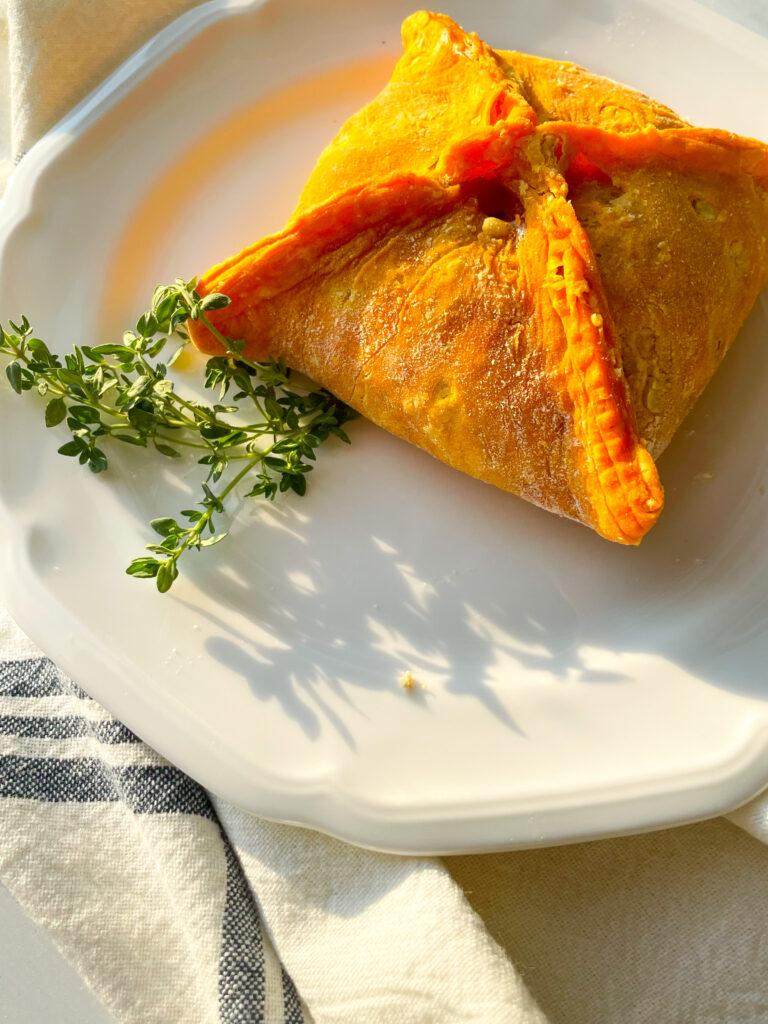
Jamaican Jerk Chicken, Explained by a Chef · Photographed in food.
The word jerk does more work than any other word in Jamaican food. It names a spice, a method, a cut, a side of the road, a whole region of Portland. If you have only ever had Jamaican jerk chicken from a bottle labeled jerk sauce, you have not had it, you have had a loose cousin. This is what the real thing actually is, from someone who has been cooking it for twenty years.
At its core, jerk is a low, slow, smoke-dominant cooking technique that happens to use one of the most specific spice palettes on earth. Strip away any of the three, the pit, the wood, or the spice, and you have something else. Good, maybe. Just not jerk.
The pit, and why it matters
A proper jerk pit is a low stone or metal trench, usually 12 to 18 inches deep, with green pimento wood laid across the top like the slats of a ladder. The meat sits directly on the wood. There is no grate. The wood is both the fuel and the rack, and as it burns from the bottom it perfumes the meat from above. Heat stays low, 250 to 300°F, and the cook runs four hours for chicken, six for pork.
Most jerk you taste in North American restaurants is grilled hot and fast over charcoal. That is barbecue with jerk spice. A real pit produces something closer to smoked meat with a lacquered, almost tacky outer bark. The difference is obvious from the first bite.
If the chicken has grill marks, it is not jerk. Jerk has no grill marks. Jerk has bark.
The spice paste
- 01Scotch bonnet, the heat, but also the fruit-forward sweetness; no substitute works
- 02Pimento (allspice), whole berries, hand-crushed; the single most important flavor
- 03Fresh thyme, scallion, ginger, and garlic, pounded, not blended, to preserve texture
- 04Nutmeg and a little cinnamon, the quiet layer most recipes leave out
- 05Brown sugar, soy, and lime, the binding agents, never more than a whisper of each
Portland-style jerk leans drier, spicier, and more smoke-heavy. It is the origin version, Boston Bay, just down the coast, is where the technique was formalized by the Maroons in the 17th century. Head west across the island and the style softens. Around Ocho Rios and Montego Bay, you start to see saucier, sweeter jerk designed for tourist palates. Neither is wrong, but they are not the same dish.
Before you book a pit session
A real pit session is a half-day commitment. You are not dropping in for lunch, you are there from the marinade to the plate. Expect to spend $60 to $90 per person for a small-group experience with a working pit master. You will come home with a spice jar, probably some smoke in your hair, and a benchmark that ruins airport-terminal jerk forever.
The full Portland version with pimento wood and a three-generation pit is worth the drive, though Boston Bay is a long way east of where we drive, so that one is on you. Ask your driver where they eat jerk on the north coast and you will do well. The days we do run leave room for a proper lunch stop. No problem.
Landing at MBJ? We drive to every resort in this guide.
Book a flat-rate airport transfer →