Blue Mountain Coffee: The Real Story Behind the Bean
Blue Mountain coffee is the most counterfeited bean in the world. Here is what makes the real thing different, why it costs what it costs, and how to buy it.

Blue Mountain Coffee: The Real Story Behind the Bean · Photographed in food.
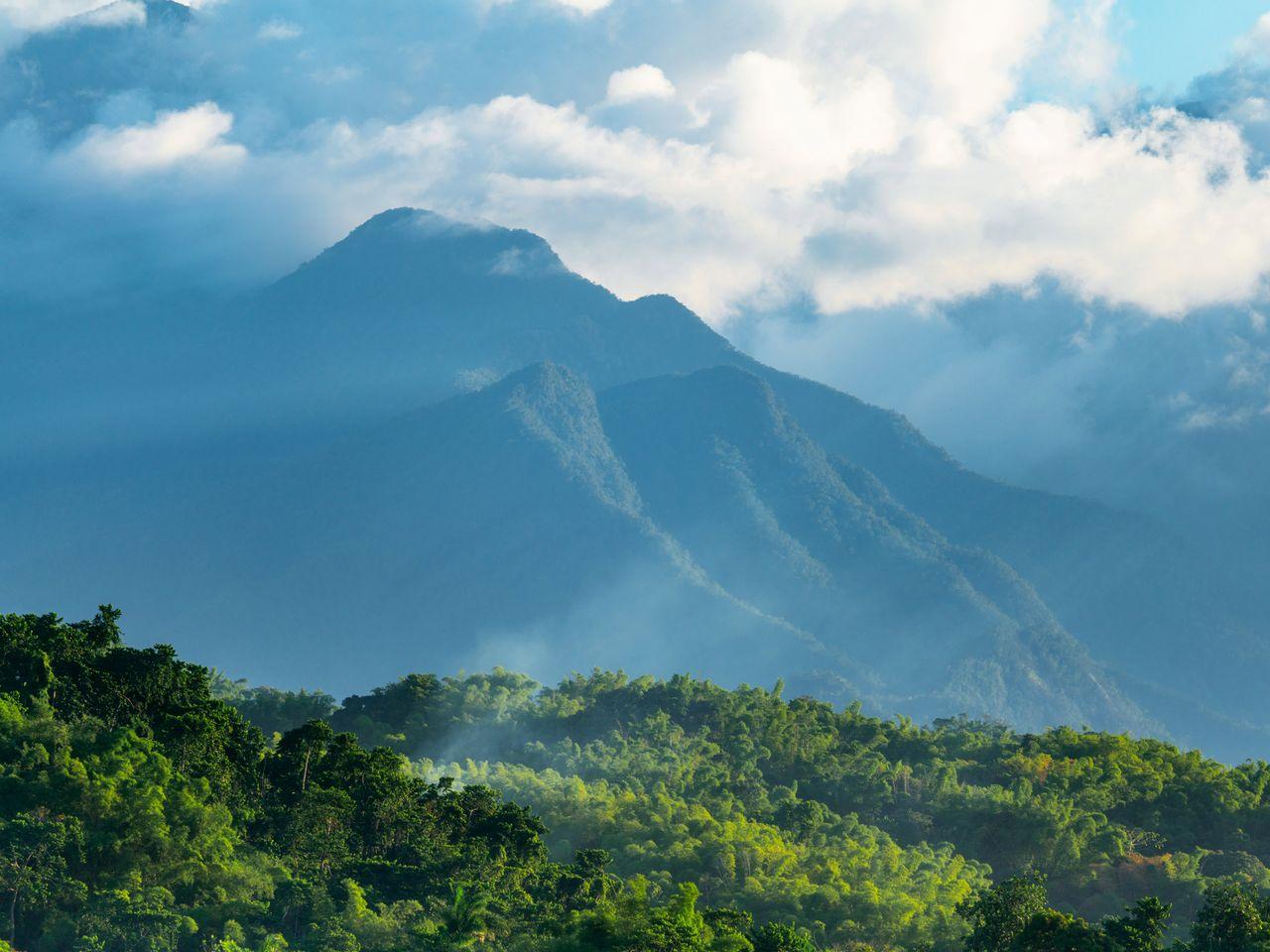
At 4,000 feet above Kingston, the mist sits on the slope like a slow tide. The soil is volcanic, the nights are cold, and the cherries take almost twice as long to ripen as coffee grown at sea level. That is where Blue Mountain coffee comes from, a strip of mountainside barely 15 miles across, not the entire range that shows up on every souvenir bag in every duty-free shop on the island.
Most of what tourists buy labeled Blue Mountain coffee is not Blue Mountain coffee. That is not a conspiracy theory, it is a certification fact. The Coffee Industry Board of Jamaica has protected the name since 1953. If you understand what the real thing is, you stop getting fleeced at the airport, and you start drinking coffee that actually earns its price tag.
What makes real Blue Mountain coffee
Only beans grown between 3,000 and 5,500 feet inside the protected parishes of St. Andrew, St. Thomas, Portland, and St. Mary can legally be called Jamaica Blue Mountain. Anything grown on the same mountains but lower than 3,000 feet is labeled Jamaica High Mountain, a good coffee, but not the same coffee. Below 1,500 feet it becomes Jamaica Low Mountain or Jamaica Supreme, which is what most cheap blends use to borrow the name.
The altitude matters because colder nights slow the sugar development in the cherry. The bean gets denser, the acidity mellows, and you end up with the clean, almost buttery cup Blue Mountain is known for. No bitter edge, no charred finish, just a long, smooth middle.
People taste Blue Mountain and expect fireworks. It is not that coffee. It is the coffee that disappears gently, and you miss it the moment the cup is empty.
How to tell the real thing
- 01Look for the Coffee Industry Board of Jamaica seal, a blue, round certification mark on the bag
- 02A registered estate name like Wallenford, Mavis Bank, Clifton Mount, Old Tavern, or Craighton
- 03A lot number and harvest year printed on the bag, not just a brand name
- 04Whole bean, packed in a wooden barrel or foil-lined pouch, not pre-ground tourist tins
- 05A price that makes sense, real Blue Mountain runs $50 to $75 per pound, never $15
If a bag at the airport costs less than a sandwich, it is a blend, and the Blue Mountain content is probably under 10 percent. That is legal in most export markets, and it is the single biggest reason the world thinks it has tried this coffee and was underwhelmed.
What it costs and how to buy it
A 16-ounce bag of single-estate Blue Mountain from a certified farm will run you between $55 and $80 on the island itself. At the estates, you can sometimes get it closer to $45 if you buy direct on a tour. In the US or UK, the same bag shipped in is usually $85 to $120. Decaf runs a little higher. Peaberry, the round, single-bean mutation that comes from maybe 5 percent of any crop, is the top tier and sells for north of $120.
The best way to buy it is to visit. We build coffee farm tastings into the Blue Mountain sunrise trek in the catalogue, and you can walk out with a sealed bag straight from the roaster, with the seal, the lot number, and a cup you just drank to prove it. No duty-free markup, no mystery blend. Just the coffee, the mountain that grew it, and the farmer who picked it. No problem.
Landing at MBJ? We drive to every resort in this guide.
Book a flat-rate airport transfer →