Jamaica: A Destination Primer for 2026
A confident primer on Jamaica for 2026, arrival, getting around, safety, weather, what to see, what to eat, culture, and budget ranges.

Jamaica: A Destination Primer for 2026 · Photographed in guides.
Jamaica in 2026 is not the Jamaica of the brochure. Tourist arrivals crossed four million last year, a new highway network connects the north coast in half the time it used to take, and a generation of Jamaican creators is dragging the island's identity out of the resort lobbies and back onto the street.
This Jamaica primer is for travelers who want the confident version of the briefing, what actually matters, what does not, and what to skip.
Arrival and getting around
Most visitors fly into Sangster International (MBJ) in Montego Bay. Norman Manley (KIN) in Kingston is the better choice for capital-forward trips and Blue Mountains access. Immigration runs 20 to 60 minutes depending on cruise overlap; the Club Mobay fast-track lounge is worth $40 if you land during peak.
Skip the rental car on a first trip. Jamaican driving is left-side, fast, and the secondary roads punish casual drivers. Book private transfers through your hotel or a JUTA-licensed driver. Route taxis are cheap, reliable in daylight, and not intended for long hops with luggage.
Safety and weather
Crime is concentrated in specific urban neighborhoods you have no reason to visit. The resort corridors, Blue Mountains, Portland, and the West End of Negril are safe in the usual common-sense ways, do not flash cash, do not walk unlit alleys at 2am, do not buy weed from strangers on the beach. Trust your gut.
High season runs mid-December through April: dry, 80°F, breezy. June through November is hotter and wetter, with hurricane peak in September and October. Shoulder weeks in late April and early November are the sweet spot, rates drop 25 to 40 percent and the weather is still reliable.
The real secret is the week after Easter. Rates fall, the island exhales, and the Jamaica you came to see is actually there.
What to see, eat, and know
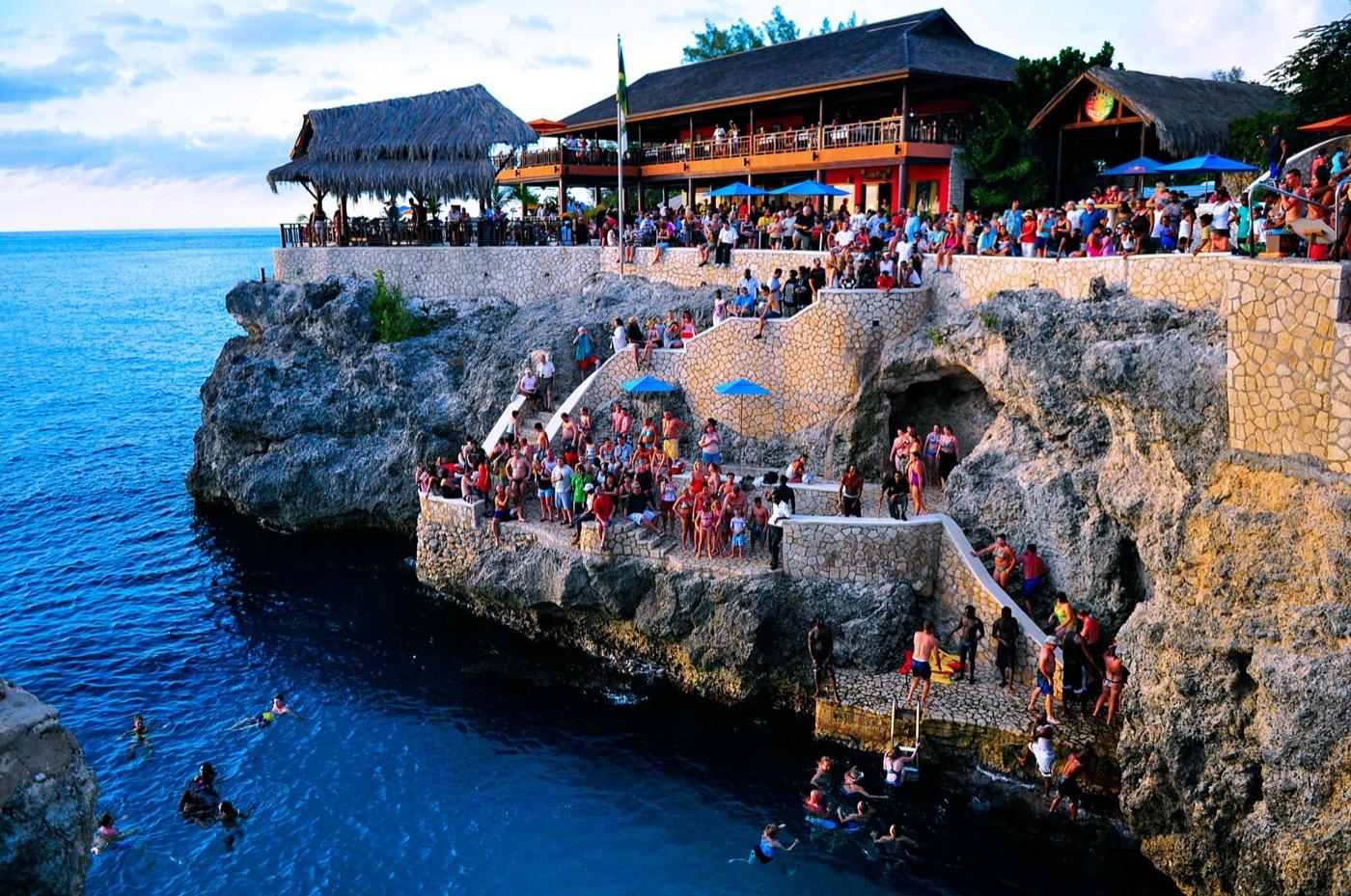
- 01See: Negril cliffs at sunset, Blue Mountains at sunrise, Kingston on a Sunday night
- 02Eat: Boston Bay jerk, Treasure Beach seafood, a patty from Tastee or Juici in Kingston
- 03Drink: Blue Mountain coffee at altitude, Appleton 12 neat, a Red Stripe that cost under $3
- 04Hear: a sound-system dance in Kingston, a reggae session at Dub Club on a Sunday
- 05Skip: tourist-trap Dunn's River day if you can do Reach Falls or Blue Hole instead
Cultural notes matter more than packing lists. Greet before you ask. Tipping is 10 to 15 percent and it matters. Patwa is a language; English will get you through everything, but asking about a word opens conversations. Respect the pace, 'soon come' is not a delay tactic, it is a way of life.
Budget and practical notes
Rough ranges for a weeklong trip, per person, double-occupancy, excluding flights: budget $1,200 to $1,800 (guesthouses, route taxis, street food); mid-range $2,000 to $3,200 (boutique hotels, private drivers for day trips, a mix of local and resort meals); premium $3,500 to $6,000+ (top resorts, private transfers, curated experiences). USD is accepted everywhere tourist-facing; cambios beat airport rates every time.
The Jamaica that rewards repeat visitors is the one you build yourself. Our curated experiences in the catalogue are where most of our readers finally stop booking through a resort concierge and start booking directly with Jamaicans.
Landing at MBJ? We drive to every resort in this guide.
Book a flat-rate airport transfer →